
Indiana homeowner guide
Insuring an older Indiana roof after wind or hail
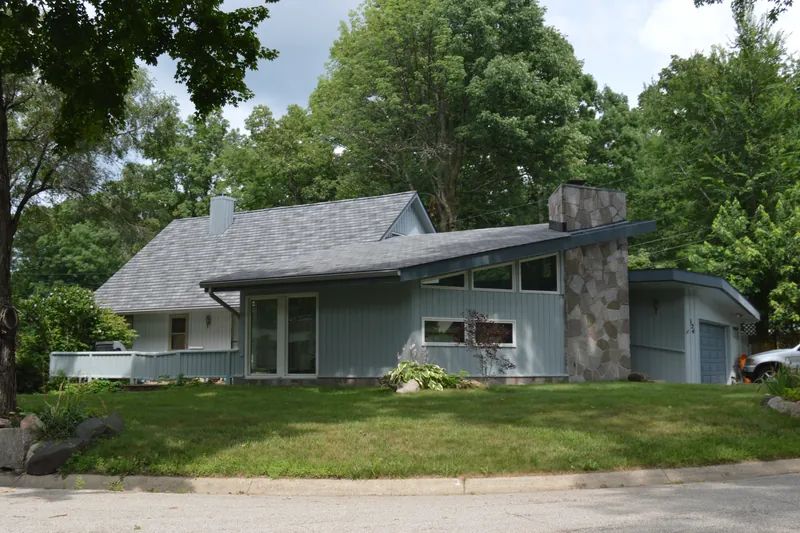
If a roof is making it hard to insure your Indiana home, first find out what the company is questioning. An unknown installation date, an inspection showing damage, and a policy that pays less for an older roof are three different problems. Ask for the reason in writing. Then gather evidence that answers it and compare how each available policy would respond to wind or hail at your address.
If damage has already occurred, contact the insurer that covered the property on the date of the loss. If a renewal deadline is also approaching, work on replacement coverage at the same time. An inspection for a future policy cannot settle yesterday’s claim. You can make progress on both conversations even while a contractor’s final report is on the way.
What Indiana’s storms tell a homeowner
Indiana had 58 tornadoes during June 2026, a statewide monthly record according to the National Weather Service in Indianapolis. The June 11 event survey recorded four tornadoes in central Indiana and a much larger area of damaging winds. The office’s event summaries also document large hail during storms on other dates. These records describe what happened within a period and a region. They do not establish whether hail hit a particular slope of your roof or whether a mark on a shingle came from that storm.
Consider two neighbors looking at the same weather map. One lost a section of shingles during the storm and photographed pieces in the driveway the next morning. The other noticed a ceiling stain while moving furniture three weeks later. They can both report what they saw. Only the first has a clear observation tying a change at the property to that morning. The second can give the discovery date, any earlier photographs and the dates someone inspected the attic. The adjuster can investigate further from there.
On an application, give the facts for your house. A countywide weather alert is not itself a loss to list. Conversely, an open repair documented by an inspector matters even if the nearest tornado track missed the house entirely. Save an event link alongside your own notes if it helps establish a timeline. Choose the right Indiana office and check the event date before including a report. Keep the weather report separate from an estimate or letter about damage at your address.
Build a roof history someone else can follow
Think in roof sections. On an older Indiana house, the two-story main roof may be asphalt shingle, the porch standing-seam metal and the rear addition a low-slope membrane. Give each a short name that also appears on photographs and invoices. Record the known installation year, material, and whether the work was replacement, an overlay or a repair. If the garage stands apart, give it its own row. A contractor invoice mentioning a garage can otherwise be mistaken for evidence about the dwelling.
Start with records you already have. A paid invoice naming the address, the work and its completion date is especially helpful. A transferable warranty, permit closeout, inspection report, seller disclosure or dated photograph may help fill a gap. Note what each document actually establishes. A permit application shows a proposed job. A supplier’s invoice shows materials purchased. Neither by itself tells an insurer every slope was replaced. Ask the original contractor or seller for the missing completion record if one exists.
When no one knows the age, say so. A professional assessment can document current condition and give an estimated age where the insurer accepts one. Keep the estimate identified as an estimate. Have the agent check what the application permits before turning a range into a single year. A roof that looks fairly new from the street could be an older installation with just the front face repaired. A specific account of what you know gives an underwriter a way to ask one focused follow-up question.
Turn an inspection request into a manageable job
Read the request before hiring anyone. One insurer may need photographs showing all roof planes. Another may want a signed inspection by a particular kind of professional, with observations about serviceability, previous repairs and visible defects. Find out whether the insurer provides its own form, how recent the inspection must be and where to send it. If a quoted policy depends on acceptance, get the inspection deadline and the consequences of an unacceptable result in writing.
Ask to see any image that led to a concern. Shadows can obscure shingles, a leaf-covered canopy can hide a corner of the house, and the roof of a detached building can appear in the same frame. Check the address, roof section and image date. If the picture predates work, pair it with a completion invoice and current views of the same side. If the observation is accurate, describe the work planned and identify what remains unresolved. A request for updated evidence is easier to evaluate than a broad disagreement.
There is no reason to climb a damaged or steep roof to produce better pictures. Give the inspector ground-level photographs you can safely take, then let a qualified professional handle access. A useful report distinguishes a visible defect from a suspected cause and explains any inaccessible areas. Ask whether it covers ventilation, flashing, penetrations and the roof-to-wall intersections that actually concerned the underwriter. Paying for an unrelated whole-house inspection can leave the original roof question unanswered.
Find the roof terms in the actual quote
Start with three documents. Read the declarations or coverage summary for limits and deductibles, the policy language describing covered causes of loss and settlement, and any endorsement changing the roof terms. Ask for specimen wording for the proposed form while shopping. When the policy issues, check the form numbers and dates against the offer. A phrase such as “replacement cost dwelling” can describe one part of the contract while a roof-specific endorsement changes payment for exterior surfaces.
With actual cash value, depreciation can reduce the amount payable for a covered loss. Replacement cost wording may allow an additional payment after qualifying repairs, subject to the policy’s terms and limits. A roof payment schedule uses the calculation printed in the endorsement, which may depend on the covering and its age. Ask where the age starts, what work resets it, and when a supplement can be requested. Indiana’s insurance department explains the basic distinction in its settlement guide. Your own forms govern the calculation.
An exclusion deserves a slower read. Identify which cause of loss, part of the structure and type of damage the language addresses. Does the restriction concern wind or hail damage to roof surfaces? Does it address the entire building, a listed detached structure, or appearance changes to metal? Ask how interior damage would be evaluated if wind opens the roof and rain follows. If a lender is involved, send its insurance reviewer the actual exclusion before accepting the offer. Save the response with your closing or renewal paperwork.
Price the deductible in dollars
Take a hypothetical house with a $300,000 dwelling limit. If the proposed wind and hail deductible is two percent of that limit, the deductible is $6,000. The percentage does not mean two percent of the roofing contractor’s bill. If the settlement before the deductible would otherwise be $14,000 for one covered occurrence, subtracting that illustrative deductible leaves $8,000. Change the insured value, the deductible basis or the settlement wording and those figures can change substantially.
Make two calculations on each offer. First, write the applicable deductible for a wind loss on the house. Then work through a hypothetical repair using the offered roof terms. For example, if a schedule would allow only $8,400 before the deductible on that same loss, subtracting $6,000 leaves $2,400. That example assumes no other limits or payments. Ask the agent to confirm the sequence in the endorsement and whether the example treats installation labor and materials the way the offered form does.
Consider the money available for a prompt repair. A family might manage a $2,500 expense from savings yet need a loan to handle a larger deductible combined with depreciation. Compare that cash requirement with the annual premium difference. Also ask whether the wind deductible changes as the dwelling limit increases at renewal, which perils trigger it, and whether a separate building has a different deductible. Write the figures on a single page so a lower annual premium does not hide a difficult repair obligation.
Separate the roof claim from the insurance search
After a loss, protect people first. Once you can do so safely, photograph the visible damage, note the time you first noticed it, and report it promptly through the insurer’s claim channel. Obtain the claim number and ask whom to contact for temporary protective work. Keep receipts, original photos and a copy of any instructions. Indiana’s claim tips recommend preserving evidence, documenting temporary work, and arranging the insurer’s inspection before permanent repairs. Discuss urgent conditions directly with the adjuster.
When rain entered the house, document the route you observed. Start with the affected room and the area above it. Note any active drip, staining, wet contents or temporary protection, and identify what a professional has actually inspected. If you only saw water on the floor, say that. Avoid assigning a cause based on a contractor’s advertisement or on how quickly other neighbors received checks. A single storm can leave wind damage, surface water and an unrelated older leak for an adjuster to distinguish.
For the replacement insurer, offer a short status update. State when the loss happened, which company is handling it, whether a contractor has inspected, what temporary protection exists and whether permanent work is scheduled. If a payment is still under review, use that description. Ask what would make the home acceptable for review today and what proof would satisfy a later inspection. A pending claim might narrow choices, but the answer comes from the reviewing company and the physical condition it is willing to consider.
Read the contractor estimate alongside the adjuster’s scope
Mark the roof sections on both estimates and compare quantities, materials, tear-off, disposal, access and flashing. Does each estimate include the same attached porch? Did one include interior ceiling work while the other addressed only shingles? If an inspector could not see underlying decking until removal, ask the adjuster how the contractor should document concealed conditions. Agree on a contact and a way to submit photographs before work erases the evidence. Keep any commitment about reimbursement in writing.
If the reason for a different number is unclear, ask for an itemized settlement explanation. Separate the gross amount, deductible, depreciation, payments already made and any amount that may become available after repair. A check arriving early in the process can mean several things. The accompanying letter should explain its purpose and any requirements for further consideration. Verify any proof-of-repair deadline in the actual policy or correspondence, and ask about an extension in writing if material delivery or scheduling becomes difficult.
Suppose the contractor includes four slopes and the adjuster includes two. Ask each to identify which slopes and why. The issue could be physical damage, repair feasibility, an appearance concern, or a disagreement about price. Those questions need different evidence. Seek the insurer’s written position and the wording it relies on. If you need help understanding the claims process or pursuing an unresolved concern, the Indiana Department of Insurance explains how to request information and challenge a decision.
Choose a workable path before the current policy ends
A roof-related letter can be a request for maintenance, a condition for a renewal offer, or a notice that the current term will end. Copy the exact heading and effective date into your notes. Ask what would resolve the concern and who can confirm acceptance. If the insurer allows work before a deadline, get the acceptable scope and proof requirements before buying materials. An agreement from a contractor to start work is different from an insurer agreeing to extend or renew coverage.
Say a homeowner receives an inspection letter in October, while the first available roof installation is in December. A signed contract and deposit establish a plan and financial commitment. They do not establish that the roof is repaired. Send the letter, estimated work date and current condition to the reviewing insurer and ask about the period between dates. If the timeline changes because of weather, update the agent while there is still time to consider available alternatives. Confirm who will notify the mortgage company if the insurer changes.
While comparing offers, tell each agent if the house will remain occupied during repairs and whether any part of it is currently unusable. Request a written effective date, outstanding requirements and payment terms before relying on a replacement. If a policy is issued with a temporary limitation, ask exactly how to request its removal after the work. It may require new underwriting or wait until renewal. Keep the endorsement that actually changes the limitation alongside the declarations for that term.
When a house is under contract
A buyer who inherits a roof problem also inherits a tight calendar. Before inspection contingencies expire, ask the seller for the most recent roof work, any active claim and the scope of the proposed repair. Get permission for any inspection the insurance company needs. A seller’s plan to spend claim proceeds before closing may change the condition on which your insurance quote was based. Tell the agent who owns the house when the work takes place and what it will look like on the day title changes.
For example, a seller may offer a credit equal to the contractor’s estimate while planning to leave the damaged shingles in place. The credit might help the buyer afford the roof later. The home still has the old roof when the buyer needs insurance. Ask the proposed insurer whether it can issue on that basis, and give the lender any conditions, exclusions and planned repair dates for review. If the work must precede insurance or closing, the buyer, seller and lender need the same description of the outstanding condition. Keep the dated answer with the transaction papers so everyone can see what remains to be completed.
Make the completed work count
Ask for a final invoice naming the property and describing each roof section replaced, the finished materials and completion date. Save photographs of work in progress where the contractor already took them, the paid receipt, permits or closeout records where applicable, and warranty paperwork. If part of the roof stayed in place, have that recorded too. A five-year-old invoice saying only “roof job” is much harder to use when the original installer has moved or the house has changed owners.
Send the completion packet to the right recipients. The adjuster may need it to consider a claim payment. The underwriting contact may need it to close an inspection requirement. A mortgage servicer holding proceeds may have its own release steps. Ask each recipient for acknowledgment and the next action, then check that the action occurred. An email thanking you for the pictures does not necessarily establish that a policy exclusion was removed or a supplemental payment was approved.
At the next renewal, check the listed installation year, materials, roof settlement endorsement and new deductible. A switch in settlement basis can matter even when the headline premium changes little. Keep a copy of the old declarations for any outstanding claim. If the house has since been sold or refinanced, keep the claim contact and forwarding information with your records. The next person helping you can then reconstruct the house’s history without guessing which storm, repair or policy term everyone meant.
Common questions
Will an Indiana insurer take my home if the roof is over twenty years old?
Age alone cannot answer that. The insurer may consider material, condition, repairs, claim history and its own current eligibility rules. Ask whether it accepts a recent professional condition report, whether it offers different roof settlement terms and which building the age applies to. If you have a metal addition and an older shingle roof, identify both. Supply the notice date if another insurer has already declined to renew.
Can an insurer use an aerial photograph taken before I replaced my roof?
Ask for the date and address associated with the observation and the procedure to submit current evidence. Use the final invoice and photos of the same roof plane to show what changed. If the company will reconsider, ask when you should expect its written decision. Continue planning around the effective date in the existing notice until the insurer confirms a change.
Do I need a tornado at my address to report wind damage?
Report the damage and the facts you observed under the policy that covered the home at the time. Straight-line winds can also damage buildings, as Indiana’s storm surveys illustrate. Note what moved, when you first saw it and whether rain entered. The adjuster evaluates the cause, scope and policy terms. A warning, a track map or a neighbor’s claim cannot determine your payment.
Is the roof on my detached garage settled the same way as the house?
Check the other-structures limit, the roof endorsement and any list of excluded buildings. The garage may have different materials, use, age or restrictions. If it is used by a business or rented separately, explain that before choosing coverage. Ask for a written example using the garage’s roof age and the actual deductible before assuming the house calculation carries over.
If I replace the roof myself, what paperwork will count?
Ask the specific insurer before you start. It may require professional installation, a named type of inspection, permit documentation or proof showing precisely which work was completed. Material receipts do not document installation on their own. For claim-funded work, also ask the adjuster what evidence it needs for any additional payment. Compare the answers with local permitting requirements and your own ability to do the job safely.
What if a storm hits while I am switching insurance companies?
Report the timing as accurately as possible, retain both sets of policy documents and tell the insurer about any earlier unrepaired damage. If the timing is uncertain, tell the agents for both policies what is known and ask how to give timely notice. Record any binding confirmation, effective time and cancellation confirmation. A quote or application by itself does not establish that the new insurer covered the loss.
Sources
- National Weather Service Indianapolis · June 2026 Indiana tornado record
- National Weather Service Indianapolis · June 11, 2026 storm survey
- Indiana Department of Insurance · Property insurance
- Indiana Department of Insurance · Insurance claim tips
- Indiana Department of Insurance · Actual cash value and replacement cost
- National Weather Service Indianapolis · Indiana event summaries